Every Generation has a Nolan Wells
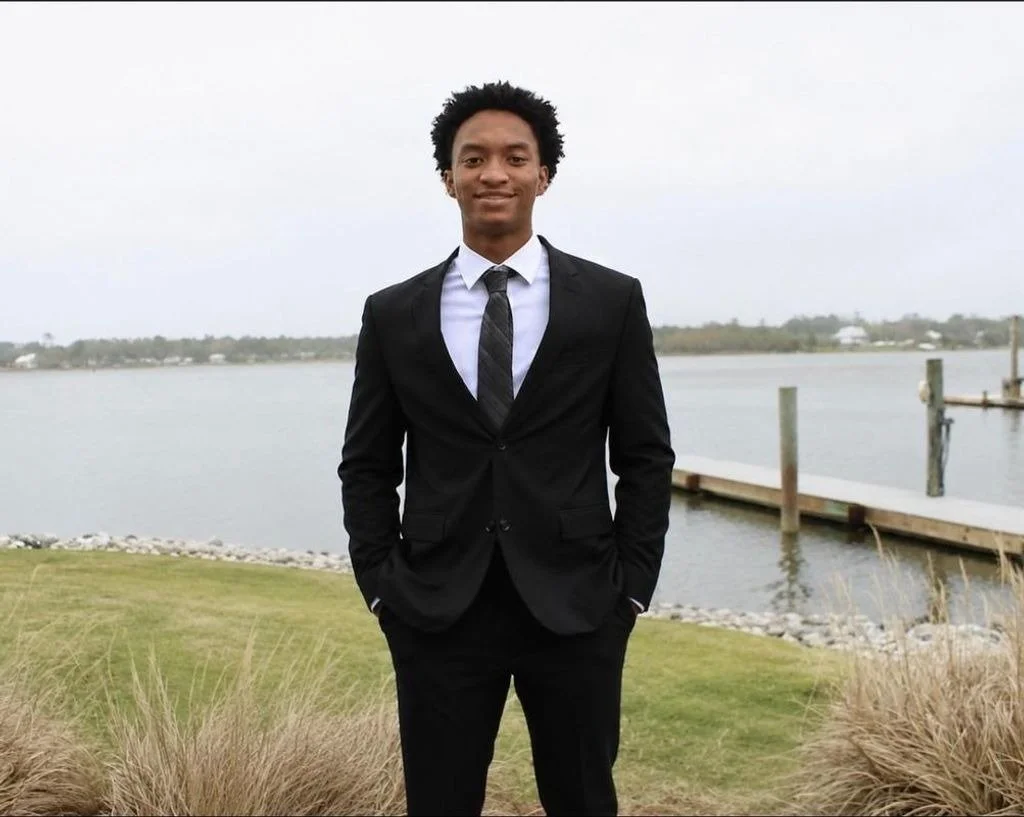
I was struggling to write this month’s blog. I just couldn’t get my mind clear enough to write about billionaires. My mind, body, and soul keep coming back to that: every generation has had a Nolan Wells. Black Americans have always had to experience this very thing, generation after generation. While I could have pushed through and finished out the series, I think it is more important to take this moment to grieve.
This time, with this grief, for this young person, and all that came before him, I can’t just move on. As the headlines fade and the media outlets move on to something else, a mother is left without her son. The death of Nolan Wells sits heavily on my heart because it is painfully familiar. Nolan Wells was a son, a friend, a neighbor, a young Black teenager whose life carried promise. People who knew him have mentioned his warmth, his loyalty, his humor, and the way he showed up for others. His life deserved the fullness of what was likely a trajectory to greatness. His story deserved more than its abrupt end. So, no, I will not move on, and neither should you.
What happened to Nolan is devastating, but what has happened since the world learned of his death speaks to our history as a nation and as a people. The lack of humanity and concern for a young person’s life is infuriating and exhausting. The circumstances surrounding his death and the systems that responded to it demand our attention. Not because tragedy is new, but because the patterns are old. The public is often given fragments: a brief statement, a few lines of official language, a narrative shape, before families have even had time to breathe. These fragments rarely tell the truth. They tell the version of events most convenient to institutions, not the version most faithful to the person whose life was taken.
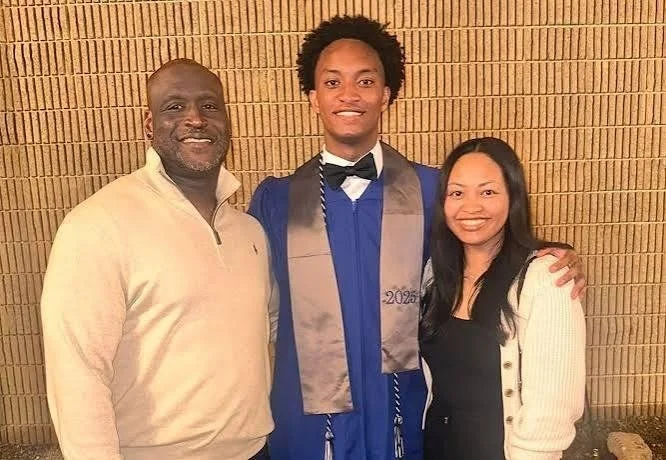
Nolan Wells standing with his parents.
The impact of Nolan’s death in Mississippi is nationwide. His death has given us yet another sad connection to mothers who have lost their children. I have spoken about our systems before, and this is yet another example of the erosion of trust in systems that are supposed to protect, serve, and tell the truth. Grief showed up in vigils, in conversations whispered between friends, in the quiet exhaustion of people who have seen this story too many times. Anger showed up in the gaps in the unanswered questions, in the inconsistencies, in the silence that followed. In the connection of motherhood and solidarity with mothers everywhere.
This moment is not just about one life. But don't miss the point, it is indeed about Nolan. But it is also about the narratives that shape public understanding of how Black life and Black death everywhere in the United States, including Wisconsin, are represented. When tragedies like this occur, the framing is often swift and shallow. The person's humanity is minimized. Their character is criticized and torn apart. The complexity of the circumstances is flattened. The accountability of systems is softened. And the public is left with a version of events that obscures the truth and perpetuates stereotypes, racism, and hate.
I believe in narrative power, not as an abstract concept. But truly, the power of words to help foster the belief that a community is heard, protected, and cared for, not dismissed. It is the difference between a life remembered with dignity and a life reduced to a footnote or hashtag. Nolan’s story should force us to confront how narratives are constructed, by whom, for whom, and whose voices are left out. This is a war against injustice.
And it’s personal.
For me, this is not simply a matter of public discourse or opinion. Nolan’s death represents our civic failure. His death has weighed heavily on my heart because it is both a human loss and a civic breakdown. It is a reminder that our work, the work of building a world where every life is valued, where every story is told fully, where every system is accountable, is not theoretical. It’s urgent. It’s ongoing. And it is deeply tied to the futures of young people like Nolan Wells.
We can’t let our grief fade into conformity or complacency.
Remembering Nolan means actively and consistently insisting on transparency in every courtroom, in every hallway, in every workplace, in every moment when a Black life is in jeopardy. We must continue until accountability becomes the norm. We must continue until the norm is freedom. We must continue until the norm is safety. We must continue until the norm is joy. We must continue until every Black life is valued and not treated as disposable.
Nolan Wells deserved a long life. He deserved safety. He deserved joy. He deserved to be known for the fullness of who he was, not the circumstances of his death. Honoring him means telling the truth about him, about our systems, and about the work ahead. Honoring Nolan Wells means our narratives aren’t pretty, buttoned-up, flowery messages, but that we actively seek and tell the truth.
I challenge all of us, all across the country, but particularly in Wisconsin, to make this a place where stories like Nolan’s are uncommon, where Black boys can go swimming with their friends and come home to continue living healthy, thriving lives.
We talk a lot about fighting for a better future, and we must. Until then, we owe Nolan Wells our full attention, our honesty, and our commitment to building something better. Not in the future. Right now.